There’s no ePropulsion trolling motor in the usual bow-mount sense. ePropulsion makes electric outboards, and in 2026 it added the kLite 750, its first motor built for kayaks. Its Spirit 1.0 outboard also turns down to a slow troll on small boats, and ePropulsion publishes test figures that show how far each motor goes at different power levels.
We don’t sell ePropulsion motors. We sell bow-mount trolling motors, graphs, live sonar and transducer mounts. This post is a plain guide to what ePropulsion offers anglers, based on its own product pages and press releases as of October 2026.
How ePropulsion moved into kayak fishing
ePropulsion’s Spirit outboard line goes back about a decade, and the Spirit 2, announced in November 2025, is the fourth generation. The 500 W eLite sits below it for tenders and small craft. Both are portable outboards for the transom of a small boat.
The kayak move came in 2026. On June 22, 2026, ePropulsion announced the kLite 750 and said it was entering the powered kayak fishing market. It showed the motor at ICAST in Orlando, July 14 to 17, 2026, and said units would go on sale through US dealers in August 2026. When we checked the product page in October 2026, it was still listed as new for 2026 and taking pre-orders.
ePropulsion also won ICAST 2026 Best of Show in the energy category for its kMax battery, a 48V, 1,024 Wh LiFePO4 pack that weighs 24.3 lb. Its product page says it’s coming in spring 2027. ePropulsion’s own blog says the kMax is not designed for use with the kLite 750, so don’t plan on pairing them.
The ePropulsion trolling motor lineup for anglers
If you’re shopping for an ePropulsion trolling motor for fishing, these are the models sized for kayaks and small boats. ePropulsion also builds bigger outboards and inboards up to 40 kW, which are well outside trolling motor territory.
| Model | Power | Battery | Weight | Control |
|---|---|---|---|---|
| kLite 750 | 500 W continuous, 750 W boost | 378 Wh built in, 25.2 V | 14.3 lb motor and battery, plus 5.1 lb mount | Track-mounted throttle, separate display, optional foot steering |
| eLite | 500 W, 750 W sport mode for 1 minute | 378 Wh built in, 25.2 V | 17.4 lb with bracket (standard shaft) | Tiller with built-in display |
| Spirit 1.0 Plus | 1 kW (3 hp equivalent) | 1,276 Wh floating battery, 19.2 lb | 23.4 lb motor (short shaft) | Tiller |
| Spirit 1.0 Evo Remote | 1 kW | 1,276 Wh floating battery, 19.2 lb | 23.4 lb motor (short shaft) | Top mount, side mount or dual remote control |
| Spirit 2 | 2 kW, 3 kW boost on the tiller version | 1,539 Wh, 10.4 kg (about 23 lb) | 12.8 kg (about 28 lb) with bracket, short shaft | Tiller or remote |
ePropulsion doesn’t list prices on its site. It sends buyers to its dealer locator, so we’ve left prices out. The kLite carries a two-year limited warranty, per its product page.
Watts instead of pounds of thrust
Most trolling motor makers rate their motors in pounds of thrust. ePropulsion rates its motors in watts and doesn’t give a thrust figure on these product pages, so you can’t line up an ePropulsion trolling motor against a 55 lb trolling motor from the spec sheet alone.
Watts still tell you two useful things. The first is battery life. Divide the battery’s watt-hours by the power you’re using and you get hours. The kLite’s 378 Wh pack at 133 W works out to about 2.8 hours, and ePropulsion’s own test shows 2 hours 48 minutes at that setting.
The second is how much power the motor draws compared with a 12V trolling motor. Minn Kota’s Endura 30 draws up to 30 A on 12 V, roughly 360 W at full throttle. The kLite’s Fish Mode tops out at 200 W by default, and its Go Mode runs at 500 W. That compares power drawn, not push. Prop and hull design decide how much of it becomes thrust.
The kLite 750 as a kayak trolling motor
The kLite is the one ePropulsion model designed around fishing. Several of its features answer the jobs anglers give a kayak trolling motor: slow speed control, quiet running, reverse, and working shallow water.
Fish Mode, Go Mode and Boost
- Fish Mode: 0 to 200 W for slow, fine speed control. The 200 W ceiling is a factory setting you can change in the display menu.
- Go Mode: 500 W continuous for running to a spot.
- Boost: a double tap adds 250 W, up to 750 W, for about 60 seconds. It needs at least 50% charge and a safe battery temperature.
- Reverse: up to 300 W, through what ePropulsion calls Soft-Lock Reverse.
- Silent Mode: cuts down the audible alerts from the display.
The throttle is a low-profile unit that mounts on a standard kayak accessory track beside the seat, with a cable to the motor. A separate sun-shaded color display shows watts, range and battery level, and it mounts on the console, deck or track.
Steering and the kill switch
The lower unit is shaped like a rudder, so it still steers the kayak with the throttle off. An optional foot steering kit turns the motor up to 70 degrees each way through steering lines. Those lines can attach at inner or outer points to change how fast it responds.
A magnetic kill switch is standard. Without the magnet in place, the motor is limited to half throttle, and there’s an override in the display menu. There’s no remote control, app or GPS listed on the kLite page.
Mounting and shallow water
The kLite mounts on a standard four-bolt pattern that ePropulsion says is common on stern-mounted motors and shallow-water anchor systems. Some kayaks take it on their factory mounting points. Others need an adapter plate or a custom mount, and access through a stern hatch makes running the steering lines easier.
ePropulsion tested it on a Crescent Kayaks LiteTackle II and a Bonafide PWR129. If your kayak isn’t one of those, ask a dealer to confirm the mount before you buy. The motor itself locks onto a mounting pin, and you lift it with a cord and cam cleat.
It runs in as little as 7 inches of water. A rubber boot on the leading edge takes impacts from rocks, logs and oyster beds. If the prop takes repeated strikes, the motor may cut back or stop thrust until you lift it.
Before you buy a kLite for your kayak
A kayak trolling motor takes more rigging than a clamp-on transom trolling motor. These are the things to check first.
- Stern mount: see whether your kayak has a four-bolt stern mount, or whether you’ll need an adapter plate or custom mount.
- Hatch access: a stern hatch makes it easier to run the steering lines and cables.
- Track space: the throttle goes on accessory track beside the seat, and the display needs its own spot on the console, deck or track.
- Carry handle: if the mount blocks the stern carry handle, ePropulsion includes a grab handle.
- Steering: decide whether you want the optional foot steering kit.
- Graph power: plan a separate 12V battery for your fish finder, since the kLite’s battery is built into the motor.
Runtime from ePropulsion’s own test
ePropulsion ran the kLite on a Crescent Kayaks LiteTackle II with the built-in 378 Wh battery. These are its figures, and it notes that kayak, load, wind and current all change them.
| Power | Speed | Runtime | Range |
|---|---|---|---|
| 19 W | 2 mph | 19 hr 54 min | 40 mi |
| 133 W | 4 mph | 2 hr 48 min | 11 mi |
| 500 W | 5.5 mph | 48 min | 4 mi |
| 750 W | 6 mph | 15 min | 1.5 mi |
The pattern is the same as any electric motor. The last couple of miles per hour cost most of the battery. A 2 mph troll uses a tiny fraction of the power of a 6 mph run.
The battery charges in about 4 hours from empty on the included 100-240V charger, and a 12V charger is optional. ePropulsion also sells a range extension kit that charges the kLite on the water from a compatible 12V battery at up to 100 W. The motor and battery are rated IP67, and ePropulsion says it’s fine in salt water if you rinse and dry it after.
How an ePropulsion trolling motor differs from a bow mount
A bow-mount trolling motor sits on the front deck and pulls the boat. An ePropulsion trolling motor setup, whether it’s the kLite or one of the outboards, sits at the back and pushes. That changes how the boat handles in wind, and it changes what the motor can do for you while you fish.
| Feature | kLite 750 | Bow-mount GPS trolling motor (Garmin Force Kraken) |
|---|---|---|
| Where it sits | Stern of a kayak, four-bolt mount | Front deck of a boat |
| Power source | 378 Wh battery built into the motor | 24V or 36V battery bank |
| Rated output | 500 W, 750 W boost | 80 lb thrust on 24V, 100 lb on 36V |
| Speed control | Hand throttle beside the seat | Wireless remote included |
| GPS anchoring | Not listed | Anchor lock with multi-band GPS and a built-in heading sensor |
| Price | Not listed by ePropulsion | $3,999.99 in our store |
The big gap is GPS anchoring. ePropulsion doesn’t list anchor, heading hold or route features for the kLite, the eLite or the Spirit 1.0. A GPS bow mount holds the boat on a point while you cast. Our spot lock trolling motor guide explains how that works.
Foot control is the other difference. The kLite’s optional foot kit steers, but speed stays on the hand throttle. Bow mounts with a pedal let you steer and change speed with your foot while both hands stay on the rod. Our bow-mount trolling motor guide covers sizing, shaft length and pedal or remote control.
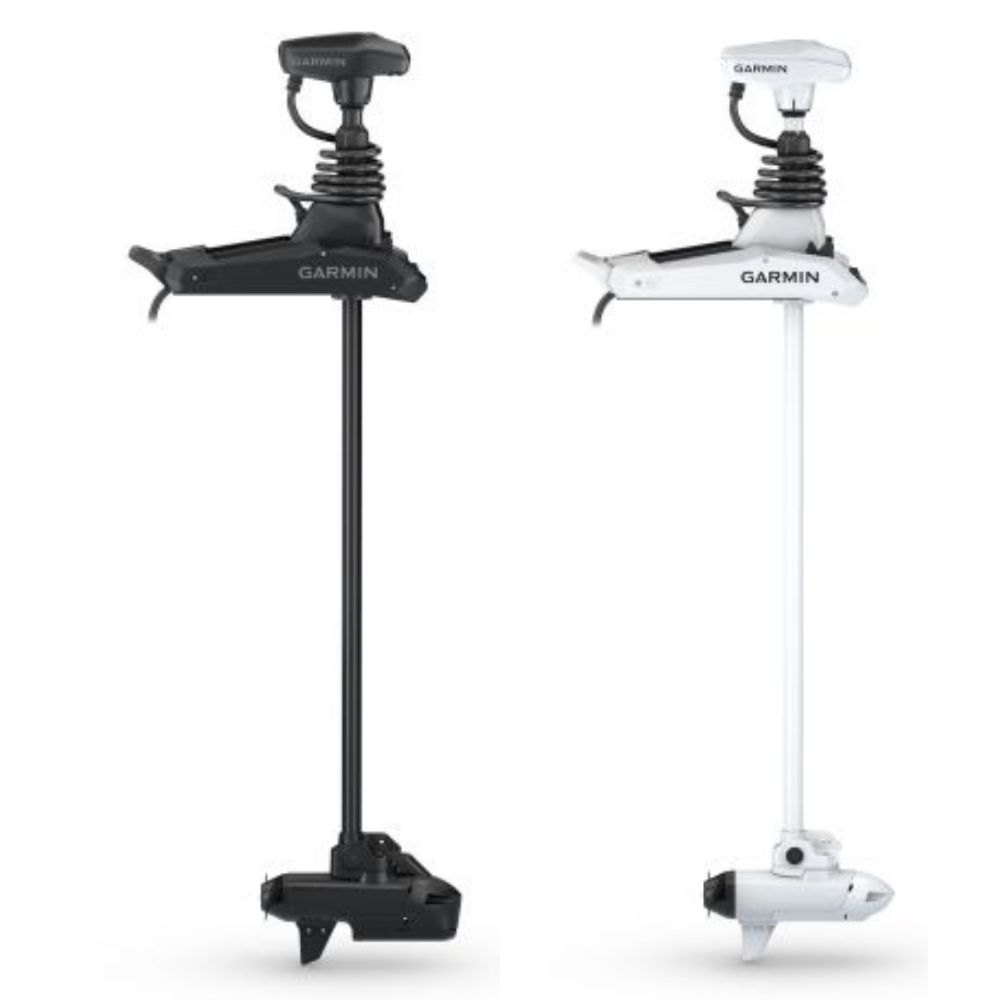
eLite and Spirit on a small fishing boat
On a jon boat, tender or small aluminum boat, an ePropulsion outboard can be the only motor on board, doing the job of both outboard and trolling motor. In ePropulsion’s tests, the Spirit 1.0 pushes a 12 ft aluminum boat at 6.2 mph flat out and about 2 mph at its lowest tested setting.
eLite
The eLite clamps to the transom and steers by tiller. ePropulsion tested it on an 8 ft aluminum dinghy carrying 117 kg in total. At 250 W it made 3.7 mph for 1 hour 30 minutes. At its full 500 W it made 4.7 mph for 45 minutes.
It tilts to 36 degrees for shallow water and to 75 degrees for beaching and storage. The standard shaft suits transoms from 11 to 15.7 inches, and a longshaft version covers 16.9 to 21.7 inches.
Spirit 1.0 and Spirit 2
The Spirit 1.0 runs on a 1,276 Wh battery that floats. ePropulsion’s test on a 12 ft aluminum boat shows how long it lasts at trolling power.
- 35 W: 2.2 mph for 36 hours 25 minutes.
- 125 W: 3.5 mph for 10 hours.
- 250 W: 4.4 mph for 5 hours.
- 1,000 W: 6.2 mph for 1 hour 15 minutes.
It runs forward and reverse with a stepless throttle. The Evo Remote version moves the controls to a top mount, side mount or dual remote, which suits a small boat with a console. ePropulsion also lists external E-Series batteries for longer days.
The Spirit 2 doubles the power to 2 kW, with a 1,539 Wh battery. On an 11.5 ft aluminum boat, ePropulsion shows 4.6 mph for 3 hours at 500 W and 10.9 mph for 54 minutes at 2,000 W. That’s more motor than most people need for trolling, but it covers the run out as well.
The catch with one outboard doing both jobs is position. You’re steering from the back of the boat, and nothing holds you on a spot. That’s why many small fishing boats carry a separate trolling motor as well as the outboard. Our electric trolling motor guide covers bow, transom and engine mounts, and our trolling motor battery guide covers the batteries for a separate motor.
Who an ePropulsion trolling motor suits
- Kayak anglers with a compatible stern mount: the kLite fits kayaks set up for the four-bolt pattern, and it’s built with Fish Mode, reverse and shallow water in mind.
- Anyone who wants the battery inside the motor: the kLite and eLite carry 378 Wh in the motor itself, so there’s no separate battery to stow.
- Small boat owners who want electric only: the Spirit 1.0 runs a long day at low power on a jon boat or tender, and the Spirit 2 adds speed for the run out.
- Salt water anglers: the kLite is rated for salt use, with a rinse and dry afterward.
An ePropulsion trolling motor setup is the wrong pick if you want GPS anchoring, foot-pedal speed control or sonar in the motor. For those, you’re looking at a bow-mount trolling motor. If you’re comparing kayak options, Bixpy and others sell kayak motors too, and the right one depends on how your kayak takes a motor.
What we’d pick for sonar on a small boat
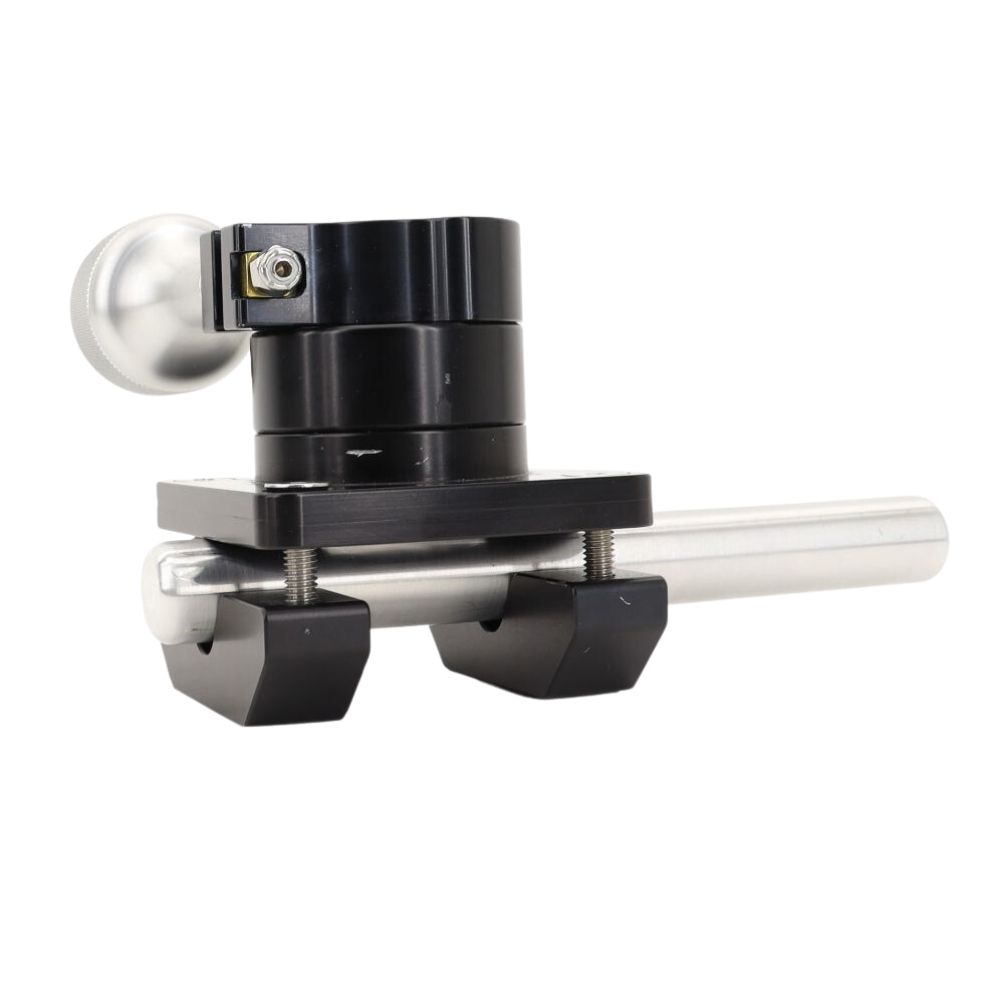
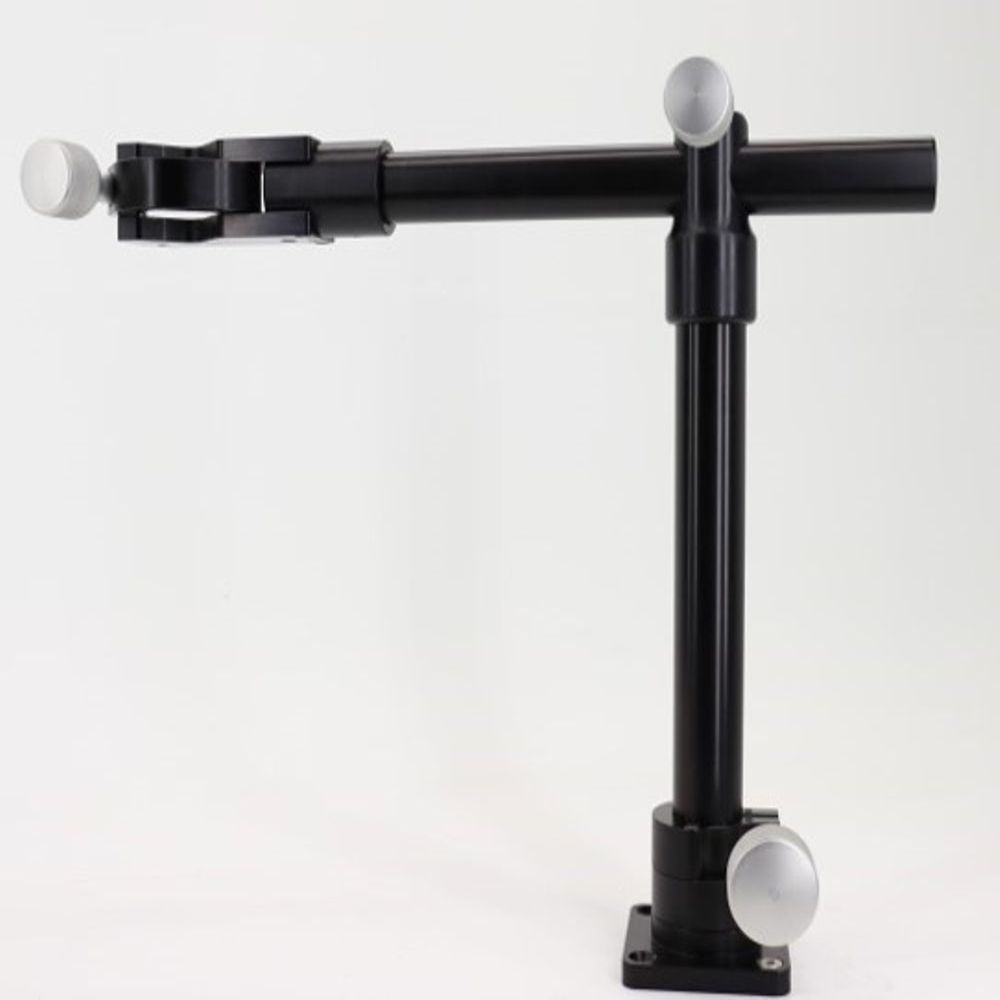
Whichever ePropulsion trolling motor you choose, our part is the electronics. Most of what we sell is built for boats with a deck, a rail or a transom. None of our transducer mounts is listed for kayaks. On a kayak with a kLite, you’d use a kayak transducer arm from a kayak accessory maker. For the screen, our machined Kayak Single Mount ($351.00) holds one graph and locks into standard kayak track or Yak Attack GridLock track with a knob.
Graph and transom transducer
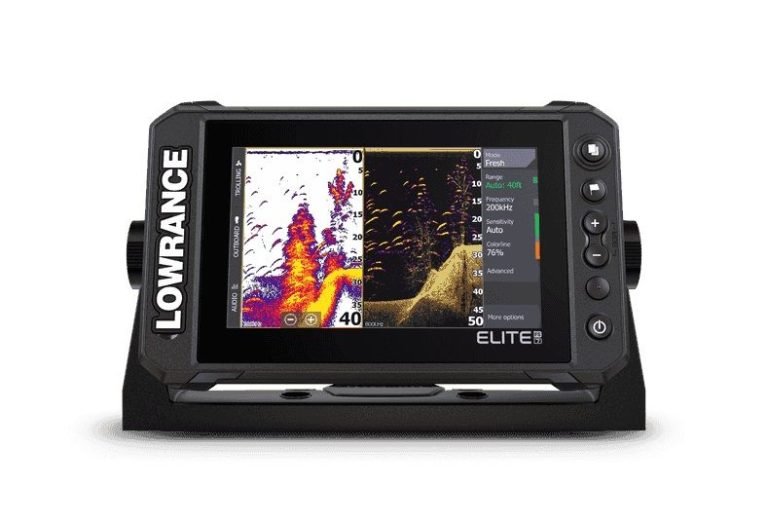
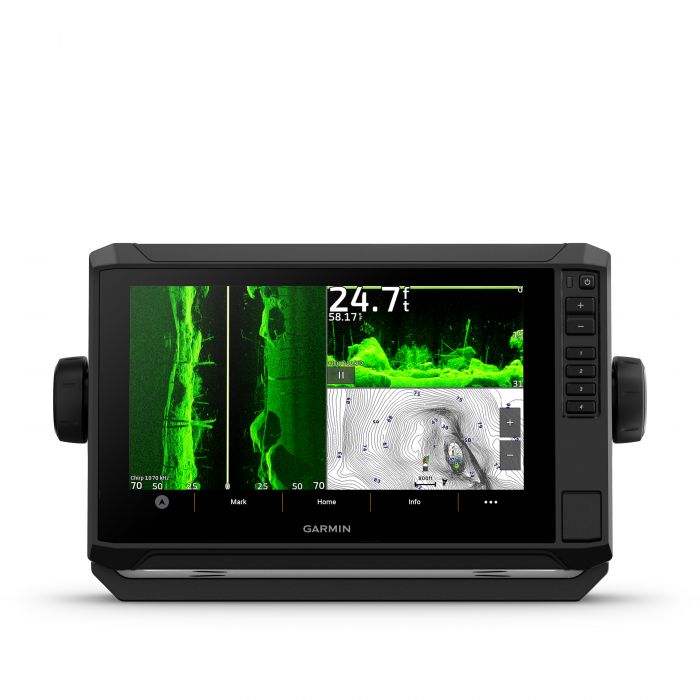
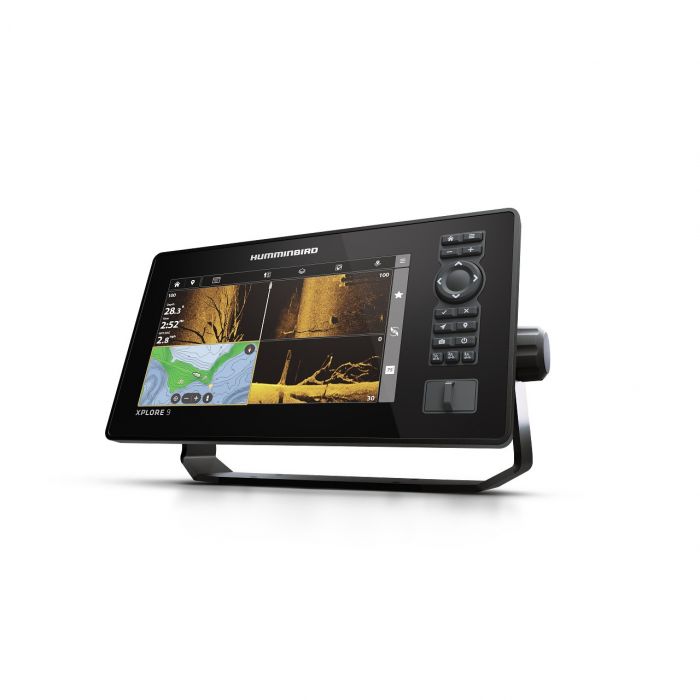
For a jon boat or small aluminum boat running an eLite or Spirit, the simplest setup is a graph with a transom transducer in the box. The Garmin ECHOMAP UHD2 93sv with GT56 transducer ($1,299.99) gives you traditional sonar, ClearVü and SideVü on a 9 inch screen with Navionics+ inland maps. The Humminbird XPLORE 9 CMSI+ ($1,499.99) comes with a compact MEGA Side Imaging+ transom transducer.

Mount the transducer away from the outboard so prop wash doesn’t clutter the picture. Give the graph its own 12V battery. The kLite and Spirit batteries are there to run the motor, and the Spirit 1.0 takes 39 to 60 volts, far above what a 12V graph runs on.
Live sonar off the deck or rail
Without a bow-mount motor to carry it, live sonar needs a pole. Our Over the Side Mount ($389) holds a Handscope, Live Sweep or Cable Steer anywhere on the boat. On a boat with a 3/4 to 1 inch round rail, the Round Rail Mount ($75) puts it there without drilling the deck. For square pontoon rail, there’s a 1 1/4 inch clamp.
Electronics are final sale in our shop, so check the graph, transducer and mount work together before you order. Our forward-facing sonar guide explains the live sonar choices.
Gear in this guide
Questions about ePropulsion trolling motors
Does ePropulsion make a kayak trolling motor?
Yes. The kLite 750 is ePropulsion’s kayak motor, announced on June 22, 2026 and shown at ICAST that July. ePropulsion calls it an electric outboard, but on a fishing kayak it does the work of a kayak trolling motor.
How much thrust does an ePropulsion trolling motor have?
ePropulsion doesn’t publish pounds of thrust on these product pages. It rates the kLite and eLite at 500 W, the Spirit 1.0 at 1 kW and the Spirit 2 at 2 kW.
Does the kLite 750 have GPS anchoring or spot lock?
It isn’t listed. The kLite page covers Fish Mode, reverse, a display and optional foot steering, with no GPS, app or remote. For GPS anchoring you’d need a bow-mount trolling motor that has it.
Can I use the kMax battery with the kLite 750?
No. ePropulsion says the kMax is not designed for use with the kLite 750. The kLite’s battery is built in, and the range extension kit can top it up from a compatible 12V battery.
How long does the kLite battery last?
From ePropulsion’s test, about 2 hours 48 minutes at 133 W and 4 mph, or about 48 minutes at 500 W. At a 2 mph troll the same battery lasted close to 20 hours in that test.
Is an ePropulsion trolling motor OK in salt water?
The kLite is rated IP67 and ePropulsion says it can be used in salt water. Rinse it with fresh water and dry it before storage, and use the cap on the throttle cable connector for transport and storage.
Want help with the electronics?
Email sales@trollingmotorsdirect.org (Monday to Friday, 9am to 6pm) with your boat or kayak, the motor you run and where you’d like the graph, and we’ll help you pick sonar and mounts that fit.