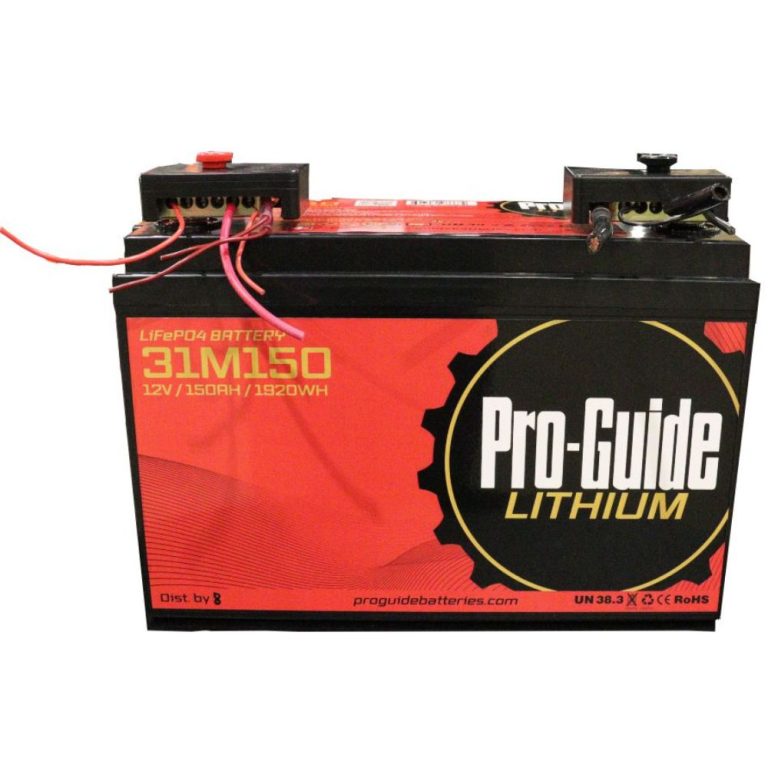
A lithium trolling motor battery (LiFePO4) weighs less than half as much as a lead-acid battery of similar capacity, lets you use nearly all of its rating, and holds its voltage until it’s close to empty. The catches are the price, a charging limit around freezing, and the need for a charger set up for lithium. We don’t sell batteries. This is what we’d check before buying one for a 24V or 36V motor.
Lithium trolling motor battery weight vs lead-acid
Weight is the first thing people notice when they switch to a lithium trolling motor battery. Battle Born lists its 100 Ah 12V lithium battery at 31 lb. Odyssey lists its group 31 AGM, rated 103 Ah, at 77.8 lb. Multiply that by the two or three batteries in a 24V or 36V bank and the gap gets big.
| Bank | Batteries | Rated capacity | Weight |
|---|---|---|---|
| 36V AGM | Three Odyssey ODX-AGM31M | 103 Ah | 233.4 lb |
| 36V lithium | Three Battle Born BB10012 | 100 Ah | 93 lb |
| 36V lithium, one battery | One Dakota Lithium 36V 60Ah | 60 Ah | 44 lb |
| 24V AGM | Two Odyssey ODX-AGM31M | 103 Ah | 155.6 lb |
| 24V lithium | Two Battle Born BB10012 | 100 Ah | 62 lb |
Weights are from each maker’s spec page. Swapping three AGM trolling motor batteries for three 100 Ah lithium ones takes about 140 lb out of the boat at nearly the same rated amp-hours.
Less weight is less for the outboard to push and less to lift when you pull the batteries for winter. On a small boat it can also be the difference between a 36V bank fitting and not fitting.
Usable capacity and the voltage curve
How much of the rating you can use
Makers rate cycle life at a stated depth of discharge. Battle Born rates its 100 Ah battery for 3,000 to 5,000 cycles at 100% depth of discharge. Odyssey rates its group 31 AGM for up to 400 cycles at 80%.
The usual advice for lead-acid is to stop around 50% if you want it to last. Treat a 100 Ah lead-acid battery that way and you get about 50 Ah a day. A 100 Ah lithium trolling motor battery gives you close to the full 100, so it does roughly the work of two.
It’s still smart to keep a little in reserve. Battle Born’s data sheet recommends a low-voltage disconnect at 10.5V, and its BMS shuts the battery off at 10V. For a full runtime table and sizing math, see our trolling motor battery guide.
Flat voltage, and why your gauge can fool you
A lead-acid battery’s voltage falls steadily as it discharges, so a motor on lead-acid can lose a little top end as the day goes on. A LiFePO4 battery stays close to its nominal voltage for most of its capacity, then drops off quickly near empty. Battle Born’s BB10012 data sheet includes the discharge curves.
Nominal voltage is a bit higher than lead-acid too. Dakota Lithium lists its 36V 60Ah battery at 2,304 watt-hours, which works out to 38.4V nominal.
The flat curve makes a voltage-based gauge less useful, because the reading barely moves through most of the charge. A battery monitor with a shunt, which counts amp-hours in and out, tracks lithium much better. Dakota sells its 12V 100 Ah battery in a bundle with a Victron BMV-712 monitor.
What happens at empty
When a lithium trolling motor battery hits its low limit, the BMS disconnects it. The motor doesn’t fade first. It stops. In a series bank, one battery’s BMS opening is enough to stop the whole string, so plan your day with some margin.
The BMS and cold-weather charging limits
A lithium trolling motor battery has a battery management system (BMS) inside. Battle Born lists these protections for its BB10012:
- Voltage: high and low voltage cutoffs.
- Short circuit: the BMS opens on a dead short.
- Temperature: high and low temperature protection, plus cold-charging protection.
- Balancing: automatic cell balancing at the top of charge.
Battle Born says most fault protections reset after about five seconds, or when the battery is disconnected from the load.
Cold is the limit that catches people with lithium trolling motor batteries. LiFePO4 can power a motor in cold air but shouldn’t be charged below freezing. The BMS will block a charge when the cells are too cold, and heated versions warm the cells first.
| Battery or motor | Charging range | Operating or discharge range |
|---|---|---|
| Battle Born BB10012 (standard) | Cold-charge cutoff in the BMS (threshold not listed) | -4°F to 135°F |
| Battle Born BB10012H (heated) | 25°F to 135°F, heater on near 35°F internal | -4°F to 135°F |
| Dakota Lithium 36V 60Ah | 32°F to 113°F | -4°F to 140°F |
| Garmin Force Pro and Force Kraken | Not applicable | 23°F to 104°F |
| Lowrance Recon | Not applicable | -4°F to 140°F |
In practice, a lithium trolling motor battery bank will run the motor on a 25°F morning, but it may refuse a charge overnight in an unheated garage at the same temperature. Bring the batteries somewhere warmer to charge, or buy a heated version if you fish ice-out and late fall. Note the Garmin Force motors are rated to 23°F, so on a hard cold day the motor’s limit can come before the battery’s.
Charger profiles for a lithium trolling motor battery
LiFePO4 wants a specific charge voltage and a short absorption time. Battle Born lists these settings for each 12V BB10012:
- Absorption: 14.2 to 14.6V, for about 30 minutes per 100 Ah.
- Float: 13.4 to 13.8V.
- Equalize: 14.4V if your charger has the mode. Other makers may tell you to turn it off.
- Charge current: up to 50 A, which is 0.5C for a 100 Ah battery.
If your onboard charger has a lithium or LiFePO4 profile, set each bank that feeds a trolling motor battery to it. If it only has lead-acid modes, check its voltages against your battery maker’s numbers before you plug in, or ask the maker directly. Don’t assume an AGM setting is close enough.
A single 36V trolling motor battery needs a 36V lithium charger. Dakota Lithium recommends a 36V 8A LiFePO4 charger for its 36V 60Ah, offers a 20A option, and lists 30A at 42V as the maximum. From empty, 60 Ah at 8 A is roughly 7.5 hours, and at 20 A roughly 3 hours, before the charger tapers at the end.
One 24V or 36V battery vs 12V batteries in series
You can build a lithium bank from 12V batteries wired in series, or buy a single battery made for 24V or 36V. Both work. They suit different boats.
A single 36V lithium trolling motor battery
The Dakota Lithium 36V 60Ah is one example. It weighs 44 lb, is rated for 60 A continuous with a 180 A pulse for 30 seconds, and sits in a group 31 size case. Dakota says it isn’t meant to be wired in series, but up to 10 can go in parallel.
- For it: one box, one set of terminals, no jumpers and one charger lead.
- Against it: 60 Ah is less than a bank of three 100 Ah batteries, and if the battery fails, the whole bank is down.
- Watch the rating: Garmin’s Force manuals ask for a bank that can supply 60 A continuously. A 60 A continuous battery meets that with no headroom, so confirm with the battery maker.
12V lithium trolling motor batteries in series
Three Battle Born BB10012s give you 100 Ah at 36V for 93 lb. Each is rated for 100 A continuous, and Battle Born allows series strings up to 48V. You get more capacity than the single 60 Ah battery for about twice the weight.
The trade-off is more connections to keep tight, two jumpers and a multi-bank charger. A three-bank charger charges each 12V battery on its own output, which keeps them even. Lowrance’s Recon manual says to check with the battery maker that series wiring is allowed, which is worth doing with any brand.
24V trolling motor battery options
For a 24V motor, the choices are two 12V lithium batteries in series or one 24V trolling motor battery. Battle Born’s BB5024 is a single 24V 50Ah unit rated for 3,000 to 5,000 cycles. Two 12V 100 Ah batteries in series give you twice that capacity at 24V. If you might move to 36V later, our 24 volt trolling motor guide covers what changes.
Don’t mix old and new, or mix chemistries
Minn Kota’s battery guide says every battery in a series or parallel system should be the same make, type, size and age. The Lowrance Recon manual says not to mix battery types in a series string. Both apply to lithium trolling motor batteries.
In a series bank, the same current flows through every battery. If one has less capacity, it reaches empty first. With lithium, its BMS shuts off and the whole bank stops. With lead-acid, the weak battery gets pulled down harder than the rest and wears out faster still.
- Old and new: adding one new trolling motor battery to two older ones creates a weak link. Replace the set together.
- Lithium and lead-acid: they charge at different voltages and no single charger profile suits both. Don’t put them in the same bank.
- Different brands or sizes: even two good lithium batteries with different BMS limits can cut off at different times.
- 12V taps: running electronics from one battery in a series bank drains that battery faster than the others.
What the Garmin and Lowrance manuals say about battery type
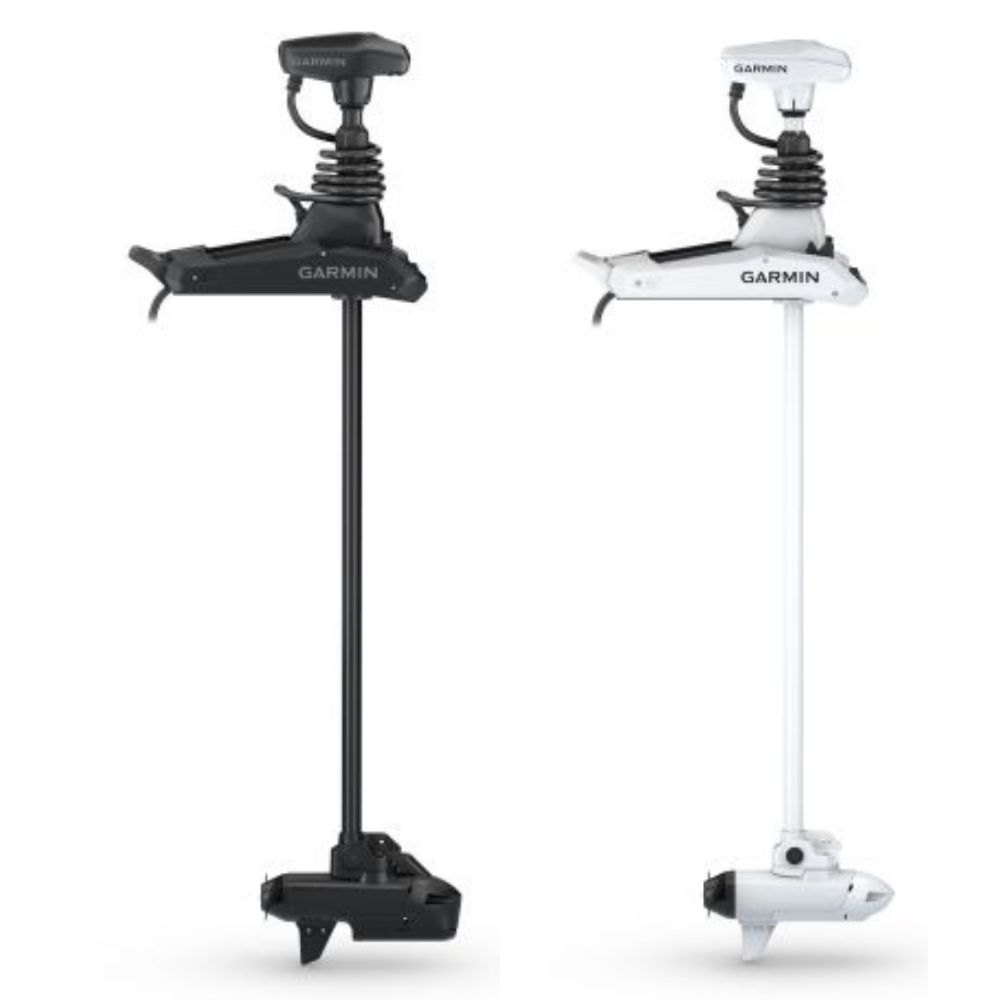
We read the installation manuals for the four motors we sell to see what each says about lithium trolling motor batteries. Check the manual that came with your motor, because revisions change.
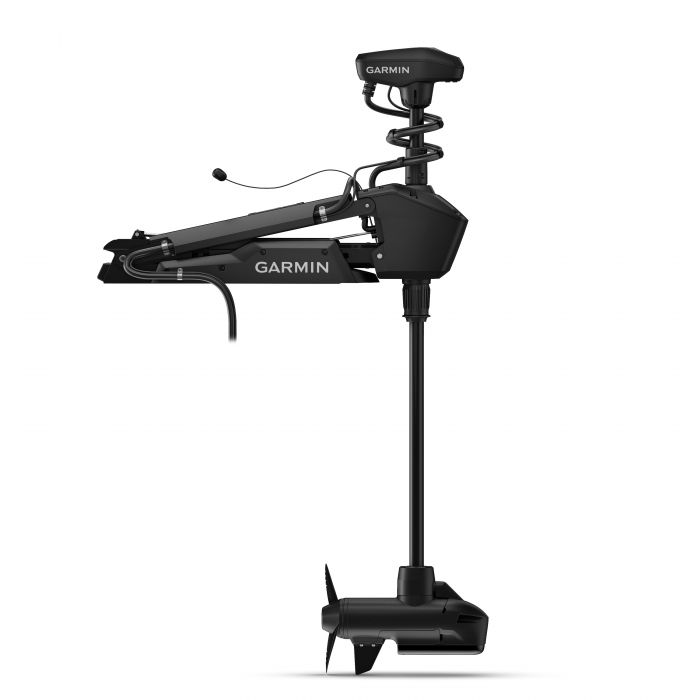
- Garmin Force Pro and Force Kraken: the manuals require a 24 or 36 Vdc bank capable of supplying 60 A continuously, through a 60 A breaker. They don’t name a chemistry, so lithium is fine if it can deliver that current. The Force Kraken installation manual is on Garmin’s site.
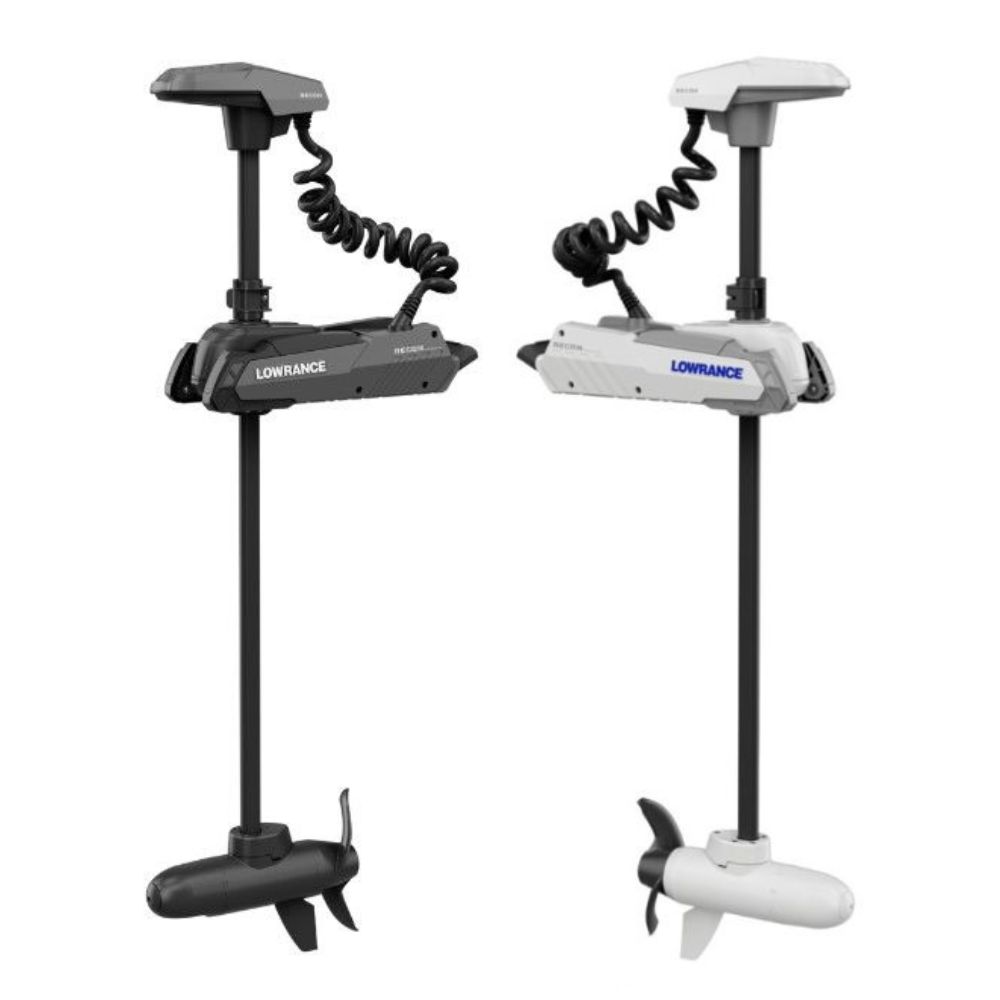
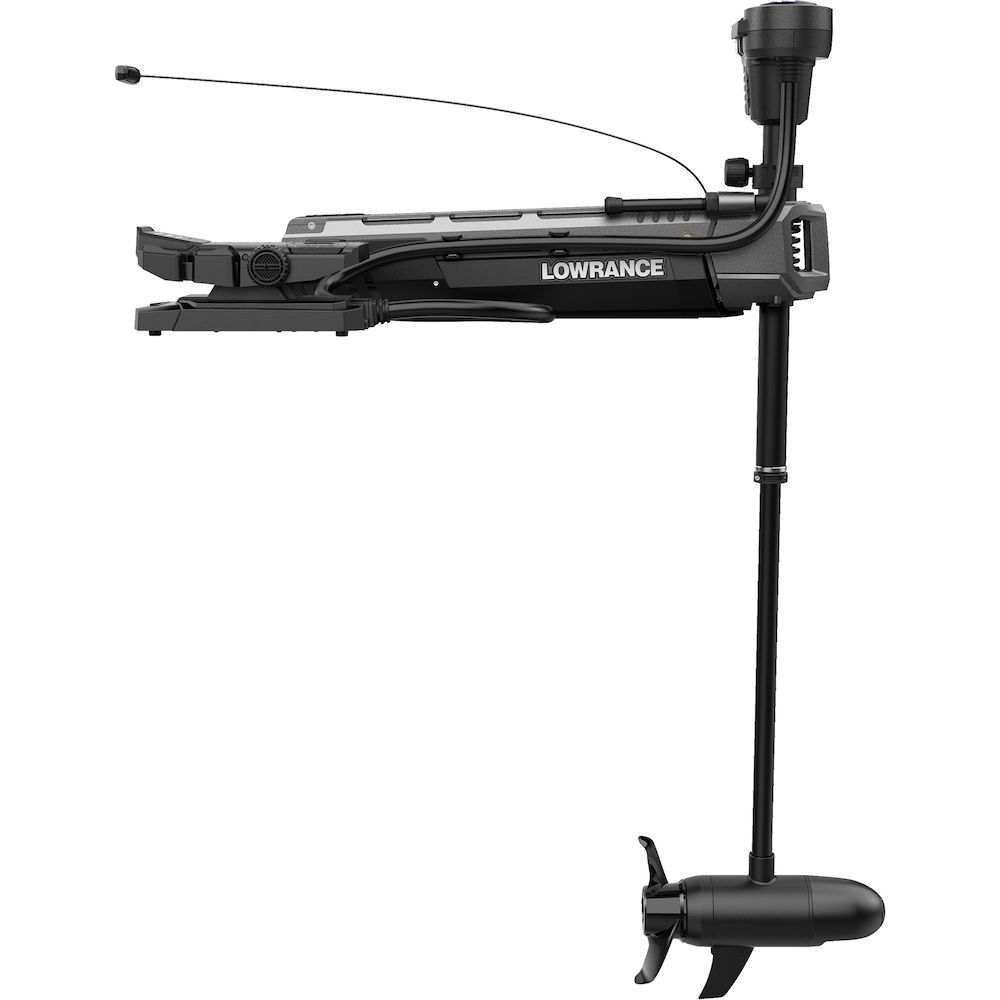
- Lowrance Recon: the manual allows 12V deep cycle marine batteries or 12V lithium batteries in series, and says not to mix battery types. It also allows a single 24V or 36V lithium marine battery, if the maker confirms it’s rated for trolling motors drawing up to 60 A.
- Lowrance Ghost: the 2020 installation manual we have recommends deep cycle marine batteries with a high amp-hour rating. It doesn’t mention lithium either way.
The common thread is current. Whatever trolling motor battery you buy, check that its continuous discharge rating covers your motor’s draw: 60 A for the Garmin Force motors, and the Recon manual’s 60 A figure for that motor.
Cost per cycle: the math with stated assumptions
A lithium trolling motor battery costs more up front. Spread over its rated cycles, it costs less per cycle. The table uses these assumptions:
- Prices: each maker’s own listed price when we checked in October 2026. Prices change.
- Cycles: each maker’s own rating. Battle Born uses the low end of its 3,000 to 5,000 range. The ratings aren’t measured the same way, so treat this as a rough comparison.
- Energy per cycle: 12V or 36V times the amp-hours used per cycle at the rated depth of discharge.
- Left out: chargers, tax, shipping and the value of your time.
| Battery | Price | Rated cycles | Energy per cycle | Cost per kWh |
|---|---|---|---|---|
| Odyssey ODX-AGM31M (AGM, 103 Ah) | $647.99 | Up to 400 at 80% | About 0.99 kWh | About $1.64 |
| Battle Born BB10012 (12V 100 Ah) | $799.00 | 3,000 at 100% | 1.2 kWh | About $0.22 |
| Dakota Lithium 36V 60Ah | $1,700.00 | Up to 5,000 to 80% capacity | 2.16 kWh | About $0.16 |
At those prices, a 36V bank of three Battle Born batteries is $2,397 and three of the Odyssey AGMs are $1,943.97. Flooded batteries cost less than either, and we didn’t price them here.
Be realistic about cycles. At 100 trips a year, 3,000 cycles is 30 years. Unless you fish most days, age, damage or a new boat is likelier to retire the battery than the cycle count. The math shows where the money goes over time. It doesn’t mean lithium is the cheaper choice for someone who fishes ten Saturdays a year.
Which lithium setup we’d pick
We don’t sell trolling motor batteries, so these are setups, not brands. Pick the motor first, then build the bank to match it.
- All-day fishing at 36V: three 12V 100 Ah lithium batteries in series, on a three-bank charger with a lithium profile. That’s the bank we’d put behind a Garmin Force Pro ($4,199.99) or Force Kraken ($3,999.99).
- Lighter boat or shorter days: one 36V lithium battery. Confirm its continuous rating against the manual for your motor, whether that’s a Lowrance Ghost ($3,199.00) or one of the others.
- 24V budget: two 12V 100 Ah lithium batteries in series. The Lowrance Recon ($3,669.99) runs on 24V or 36V. If you think you’ll go to 36V, buy three matched batteries now rather than adding one later.
- Northern water: a heated battery, or a plan to charge indoors.
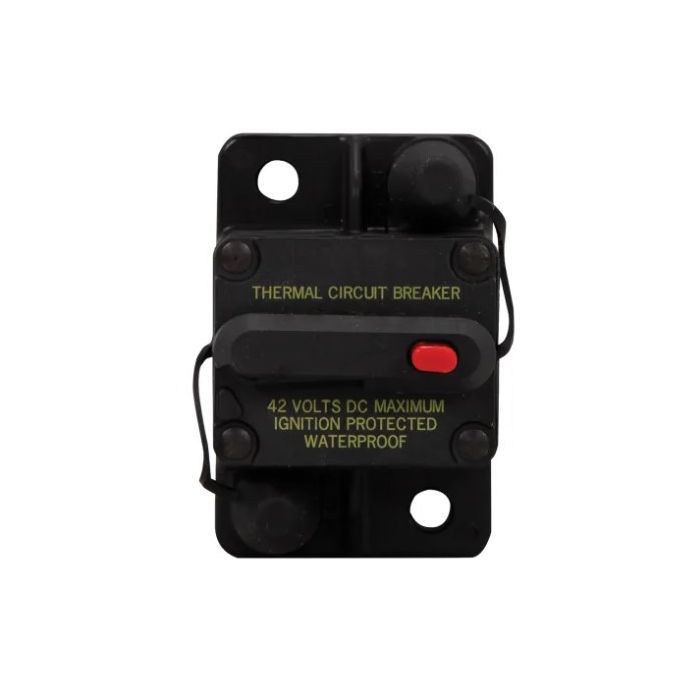
Every setup still needs a breaker sized from the motor manual. For Force motors we stock the Garmin 60A Circuit Breaker ($89.99).
Switching to a lithium trolling motor battery: a checklist
If you’re switching an existing boat, sort these out before the old trolling motor batteries come out.
- Confirm the current rating: check the new battery’s continuous discharge rating against your motor’s draw, using the motor manual.
- Replace the whole bank: take out every lead-acid trolling motor battery at once. Don’t run one lithium with two lead-acid while you save up.
- Sort out the charger: set every bank to a lithium profile, or replace the charger if it has none. A single 36V battery needs a 36V lithium charger.
- Check the tray and hold-down: a smaller case can slide around in a group 31 tray. Shim or change the hold-down so the battery can’t move.
- Reuse good wiring: the motor’s maximum draw comes from the motor, not the battery chemistry, so the wire and breaker sizes in the motor manual still apply. Replace any lug that’s corroded or loose.
- Add a monitor: a shunt-type battery monitor tells you far more than a voltage gauge on lithium.
- Leave the cranking battery alone: the outboard’s starting battery and its charging circuit are a separate question. Ask the engine maker before changing it.
- Recycle the old batteries: lead-acid batteries shouldn’t go in the trash. Most battery retailers and recycling centers take them.
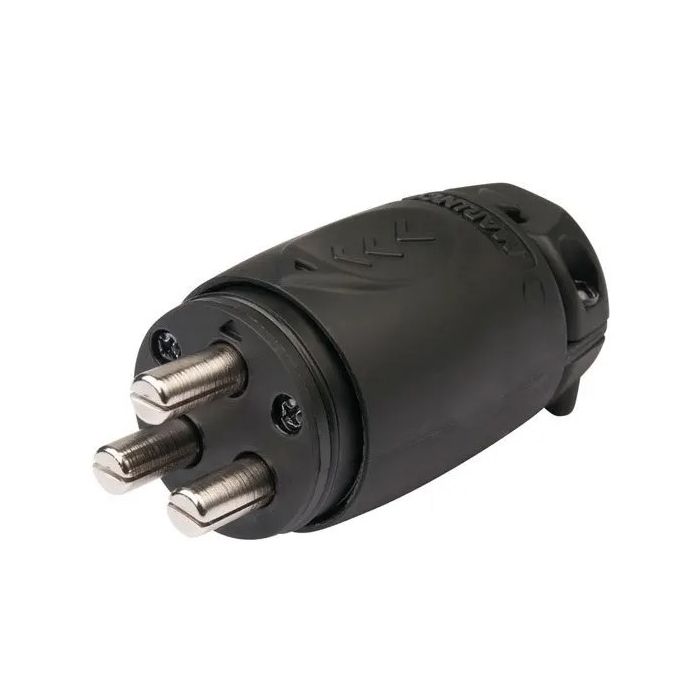
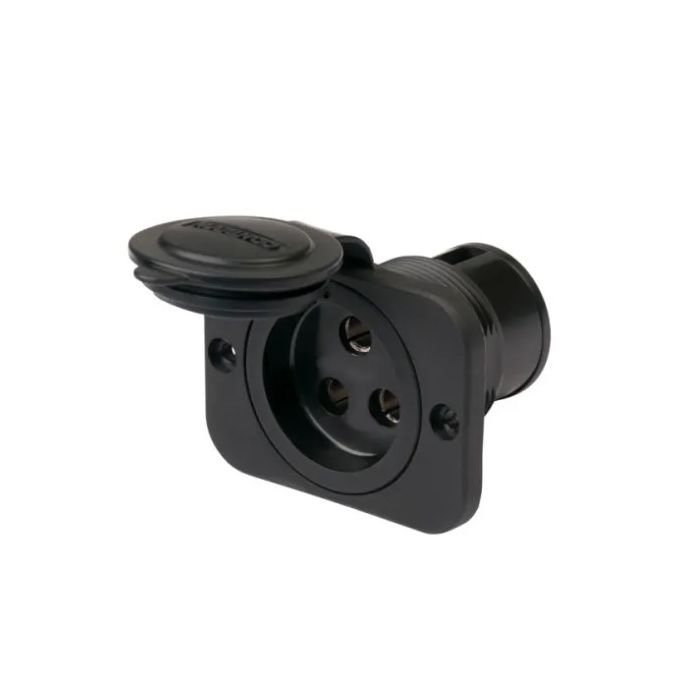
A lithium trolling motor battery bank is also a good time to check the rest of the power feed, from the breaker to the plug at the bow. Our trolling motor plug guide covers wire gauge by length and breaker placement.
Gear in this guide
Questions about lithium trolling motor batteries
Can I charge a lithium trolling motor battery with my old charger?
Only if its voltages fall inside the battery maker’s range. A charger with a LiFePO4 profile is the safe choice. If yours has only lead-acid modes, check with the battery maker before using it.
Is a 24V trolling motor battery better than two 12V batteries?
A single 24V trolling motor battery is simpler, with one box and no jumper. Two 12V batteries usually give you more capacity for the money. Battle Born’s single 24V battery is 50 Ah, while two of its 12V 100 Ah batteries give you 100 Ah at 24V.
Can I add a lithium battery to my lead-acid trolling motor batteries?
No. Minn Kota and Lowrance both say not to mix battery types in a bank. Lithium and lead-acid charge at different voltages and drain differently, so the bank ends up out of balance.
How cold is too cold to charge a lithium trolling motor battery?
Most LiFePO4 batteries shouldn’t be charged below freezing. Dakota Lithium lists 32°F to 113°F for charging its 36V 60Ah. Heated batteries like Battle Born’s BB10012H can charge down to 25°F.
Do Garmin Force motors need a special battery?
No. Garmin’s manuals ask for a 24V or 36V bank that can supply 60 A continuously, through a 60 A breaker. They don’t specify chemistry.
Ask us before you buy
Email sales@trollingmotorsdirect.org (Monday to Friday, 9am to 6pm) with your boat, your motor and the battery you’re looking at, and we’ll check it against the motor’s manual.